Metal Building vs. Wood Building in Oregon's Climate: Which Holds Up Better?
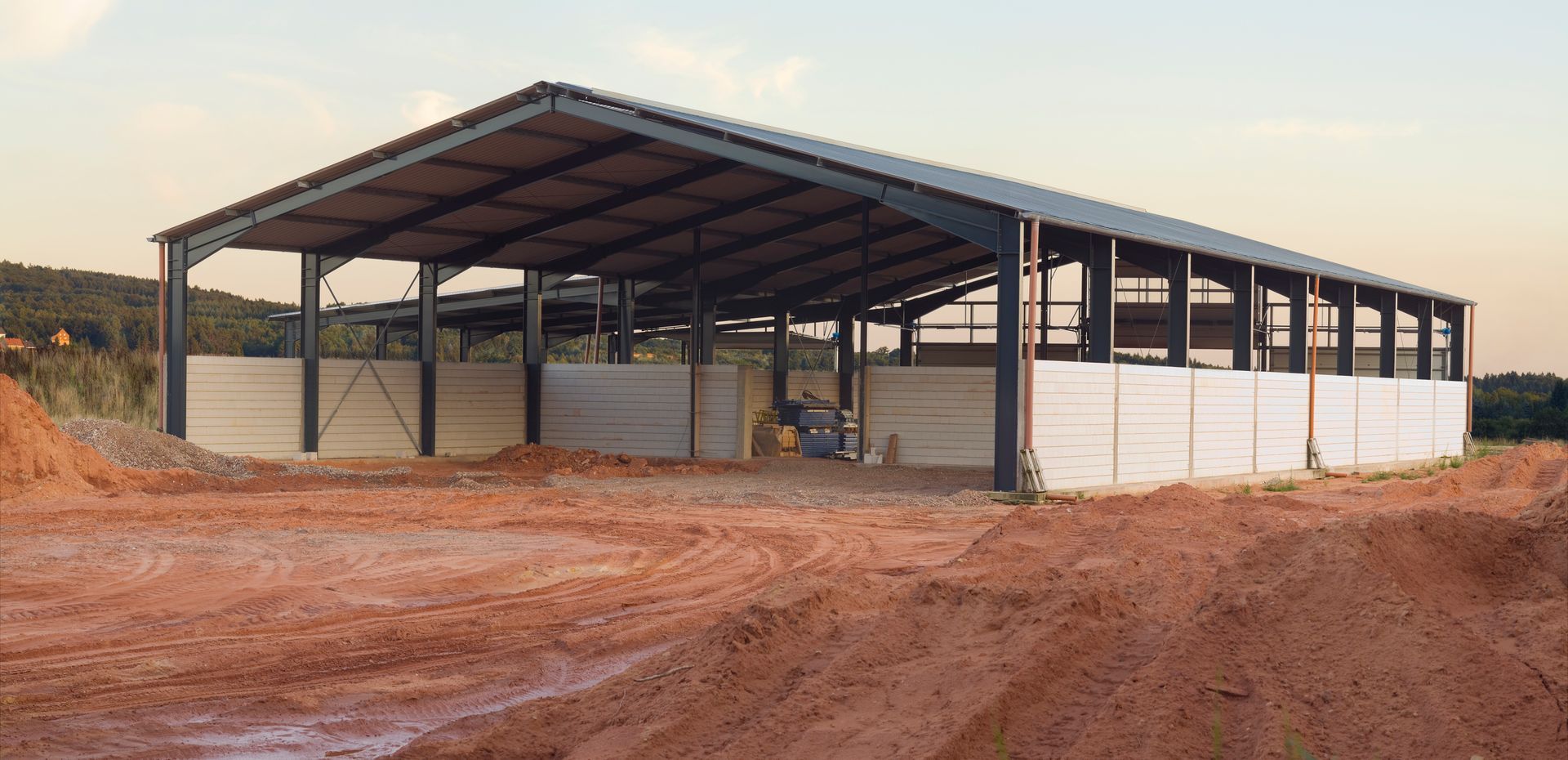
Oregon's climate puts every building to the test. This article covers why Metal Buildings in Salem, OR, often outlast traditional wood structures in the Willamette Valley's challenging conditions.
Salem sits in the heart of the Willamette Valley, where wet winters, mild but damp summers, and occasional windstorms are the norm. Choosing the wrong building material can mean years of costly repairs. Understanding how steel and wood each respond to local conditions helps property owners make a smarter long-term decision.
How Oregon's Climate Affects Building Materials
Salem averages over 40 inches of rain annually, and the rainy season can stretch from October through April. Persistent moisture is the primary enemy of building longevity in this region.
Wood absorbs moisture over time, leading to warping, swelling, and rot in framing, siding, and subfloors. Mold and mildew may develop inside wall cavities, which can be expensive to remediate. Termites and carpenter ants are also drawn to wood that stays damp.
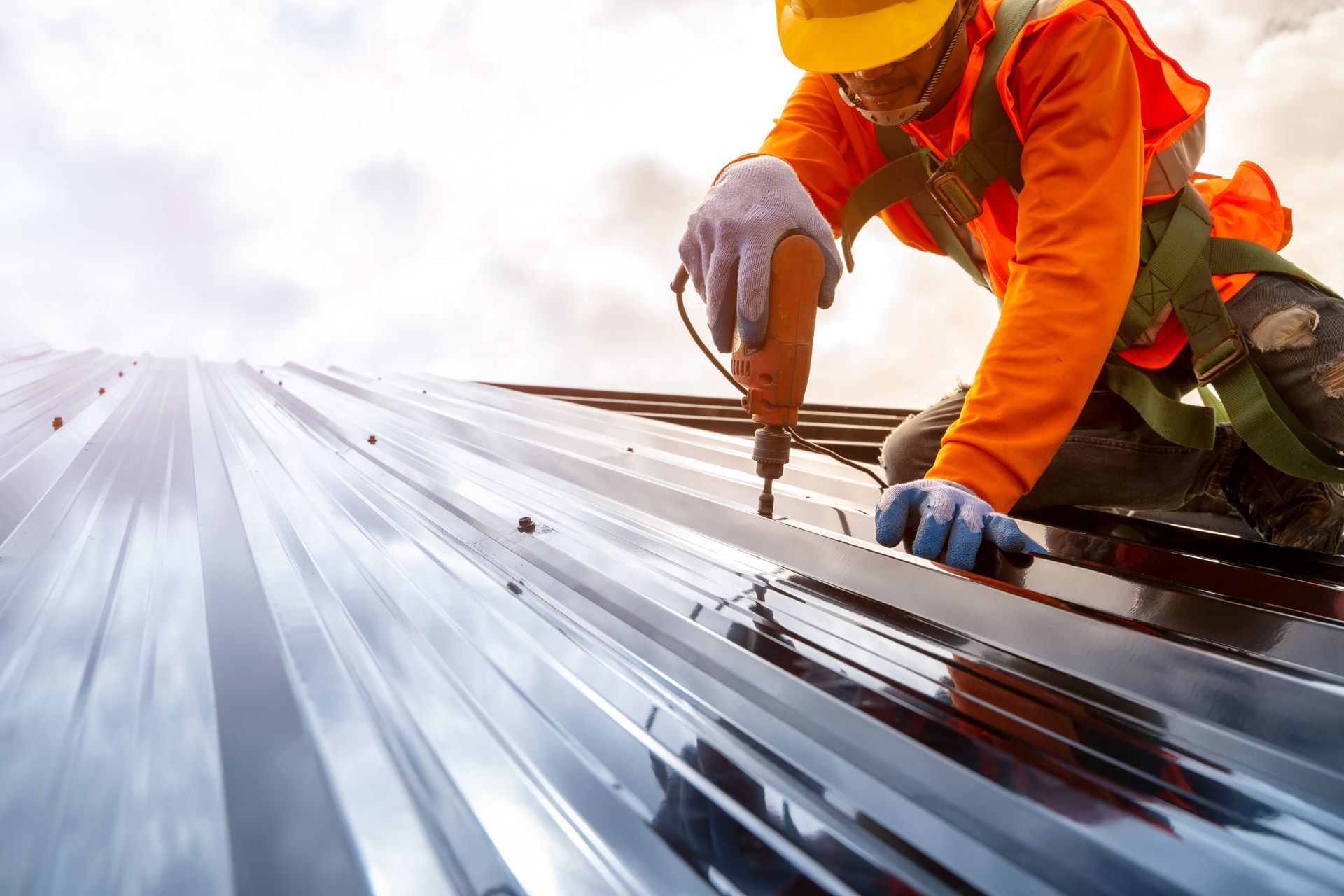
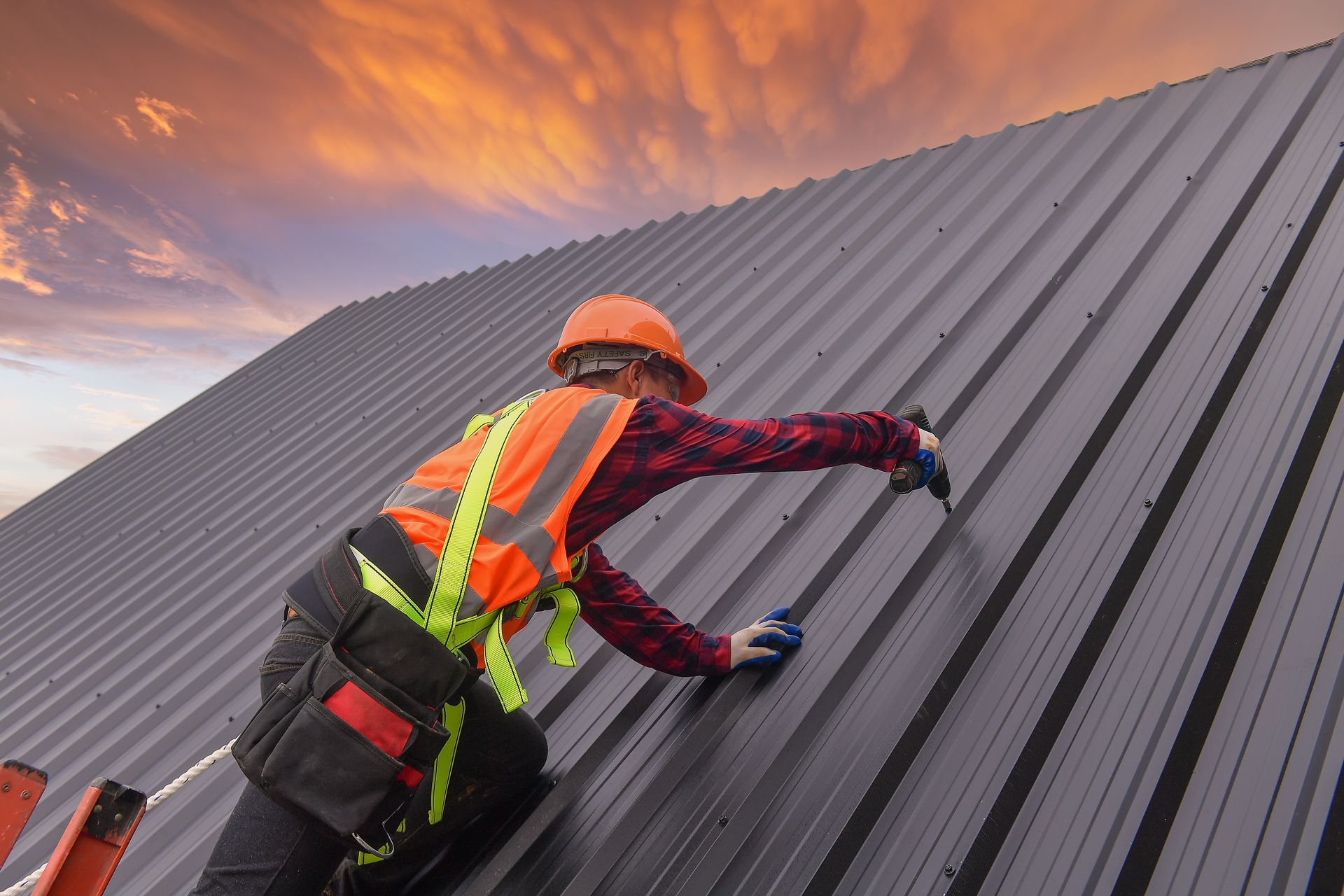
Steel does not absorb water the way wood does. Galvanized components and corrosion-resistant coatings help metal structures resist prolonged moisture exposure. Property owners considering Metal Buildings in Salem, OR, benefit from this natural resistance throughout the Pacific Northwest's long wet seasons.
Which Material Holds Up Better Factor by Factor?
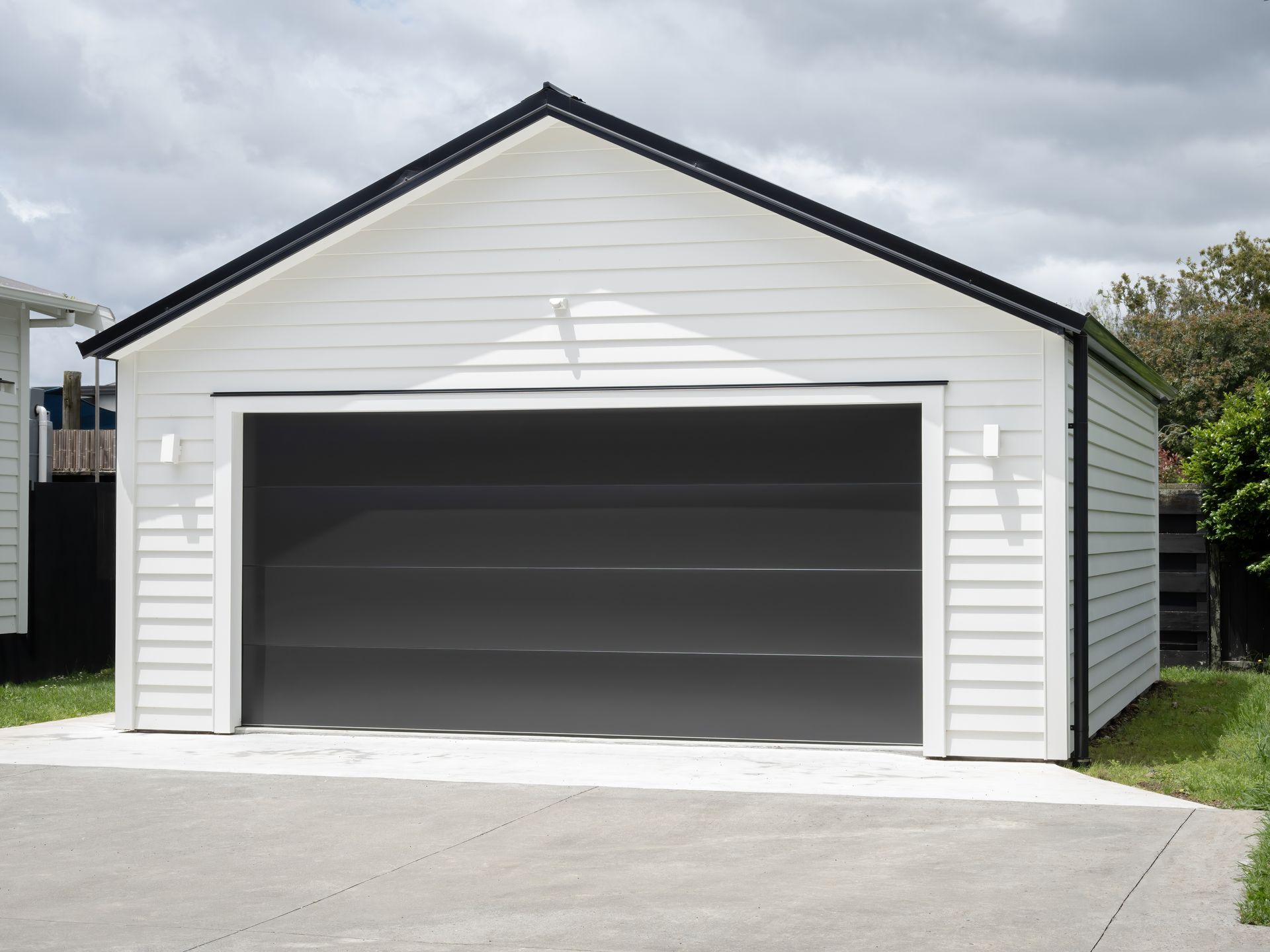
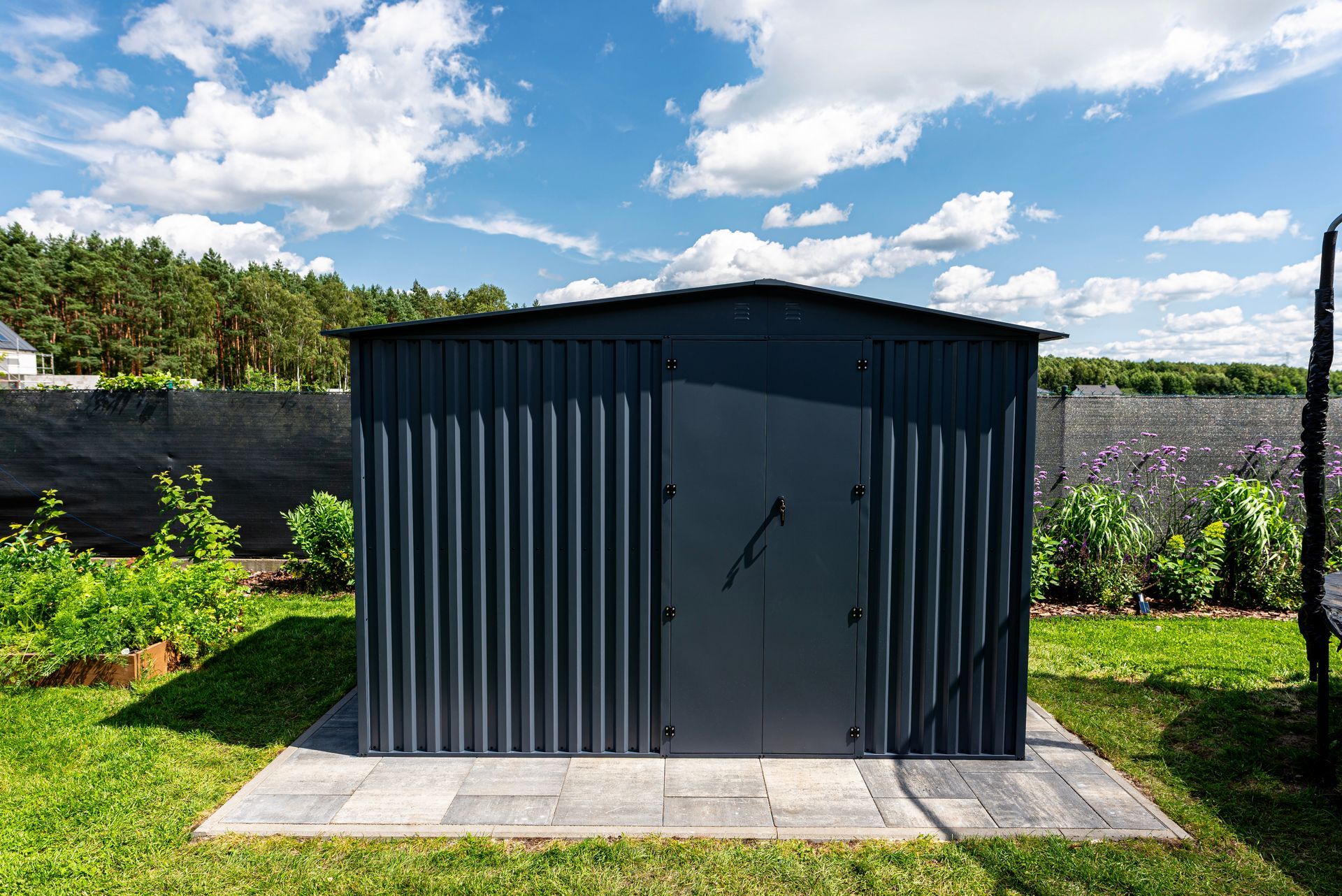
Metal Buildings in Salem, OR, often outperform wood across several key areas.
Moisture and Rot Resistance
Steel does not rot. Wood can begin to deteriorate when moisture levels stay elevated for extended periods, which is common during Salem's long rainy seasons. A properly coated metal building may hold up far better over decades with minimal intervention.
Wind and Snow Load Performance
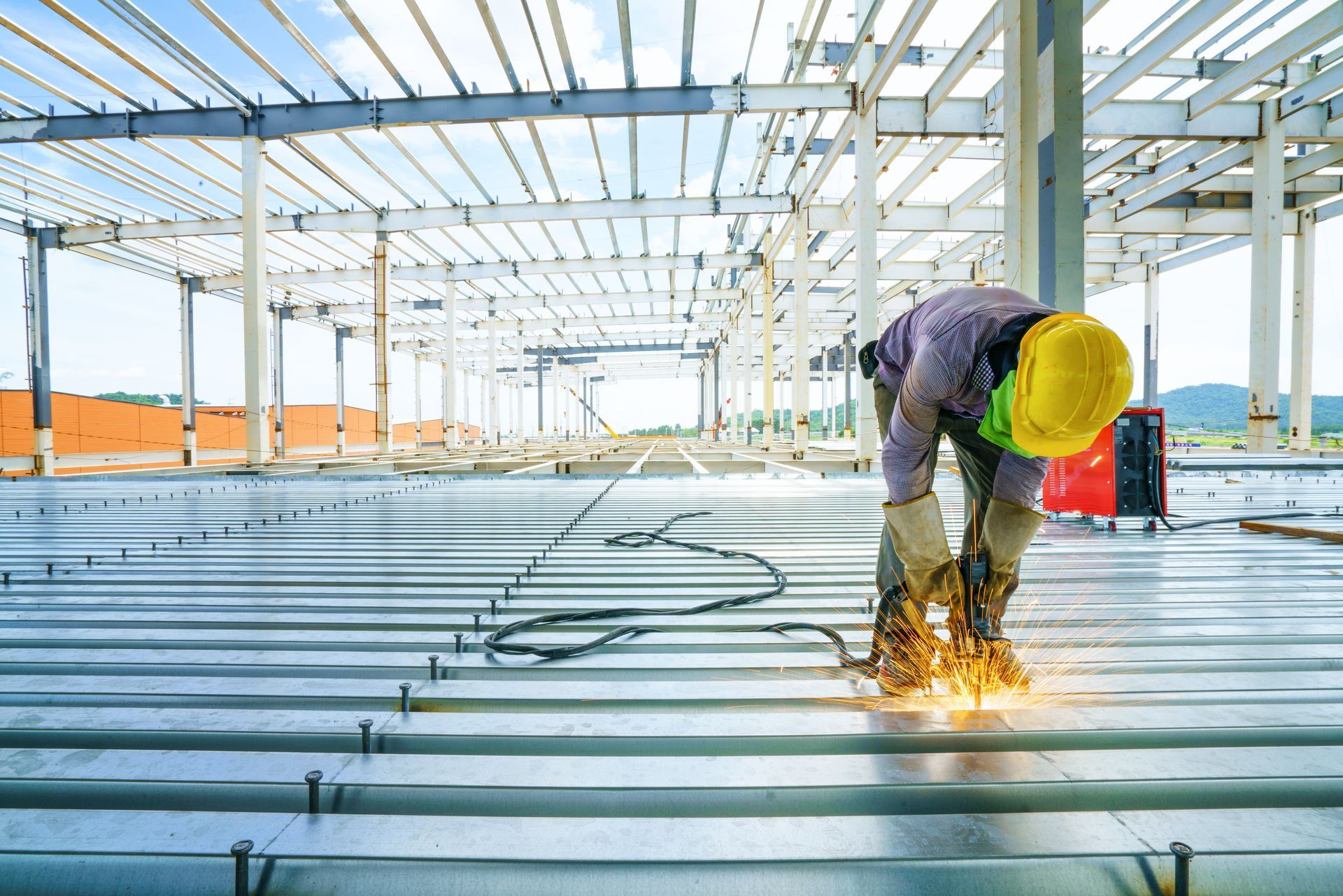
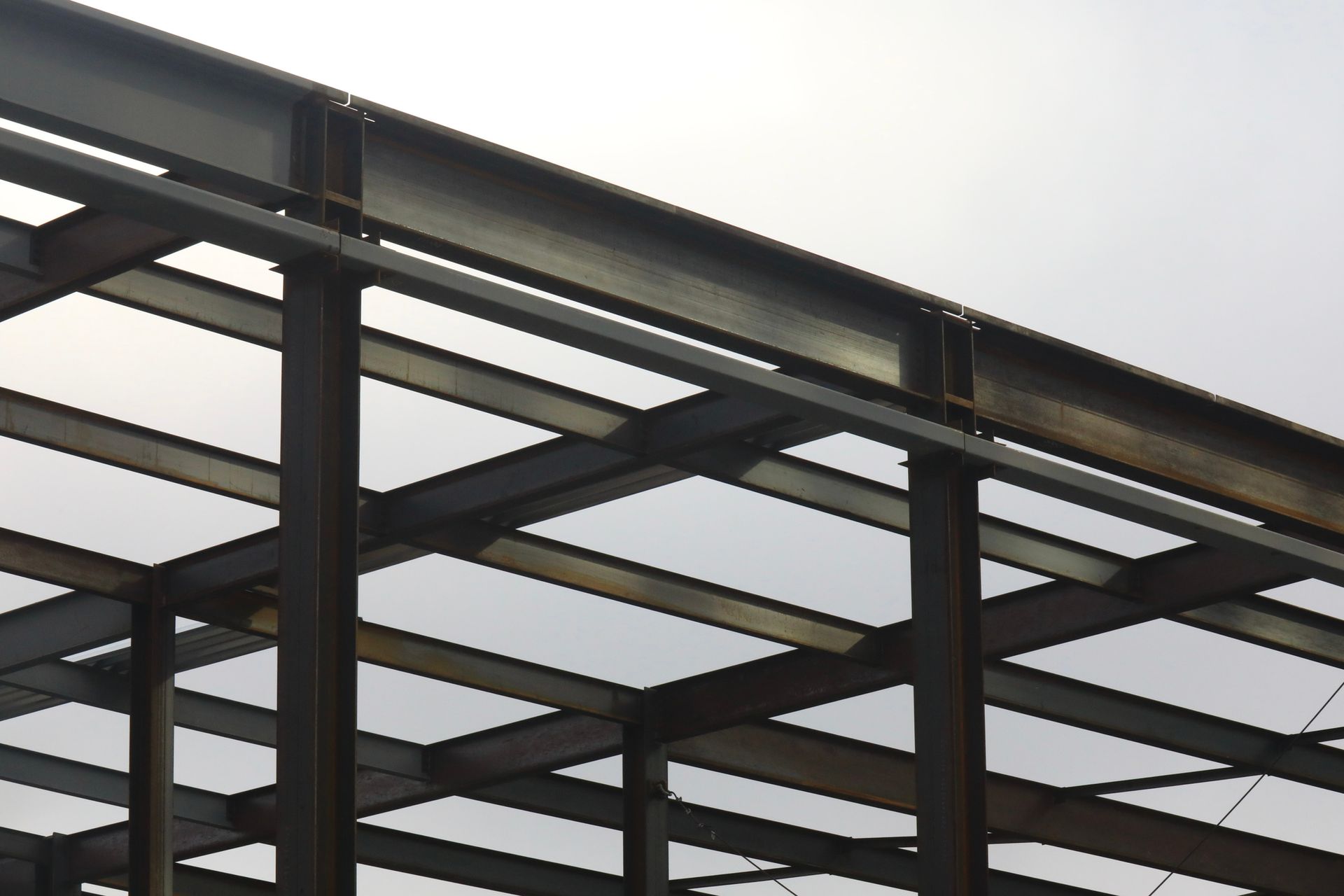
The Willamette Valley sees windstorms, and higher elevations east of Salem can carry snow loads. Metal buildings are typically engineered to meet specific wind and snow load requirements. Aging wood may weaken over time, reducing its reliability under those same loads.
Pest Resistance
Steel is not a food source for insects. Wood, particularly when damp, can attract termites and other wood-boring pests common in western Oregon.
Long-Term Maintenance
Wood buildings typically require more frequent upkeep, including painting, sealing, and treating for rot or pests. Metal Buildings in Salem, OR, generally need less maintenance over their lifespan, which may translate to lower ongoing costs.
Are Metal Buildings a Good Fit for Salem's Climate?
Yes. Steel's resistance to moisture, pests, and fire makes Metal Buildings in Salem, OR, a practical choice for the Willamette Valley, where wood faces constant environmental pressure.
Do Metal Buildings Require Special Permits in Salem, OR?
The City of Salem may require permits depending on the size and intended use of your structure. Zoning regulations and building codes vary by property type, so checking with local authorities before construction is always recommended.
Can a Metal Building Be Insulated for Oregon Winters?
Yes. Metal buildings can be fitted with insulated panels to regulate interior temperatures and reduce condensation, keeping the space comfortable throughout Salem's wet, cool winters.
Make the Right Choice for Your Salem Property
For Salem, OR, property owners dealing with persistent rain, wind, and pest pressure, metal buildings may simply hold up better over time. Explore your options with the metal buildings service page for Salem, OR, to learn what steel structures can be designed for your property.
When you are ready to move forward, Carports & Metal Buildings LLC serving Salem, OR, is ready to help. Call 503-984-2415 or visit the contact page to request your free quote today.